
Shelf To Table
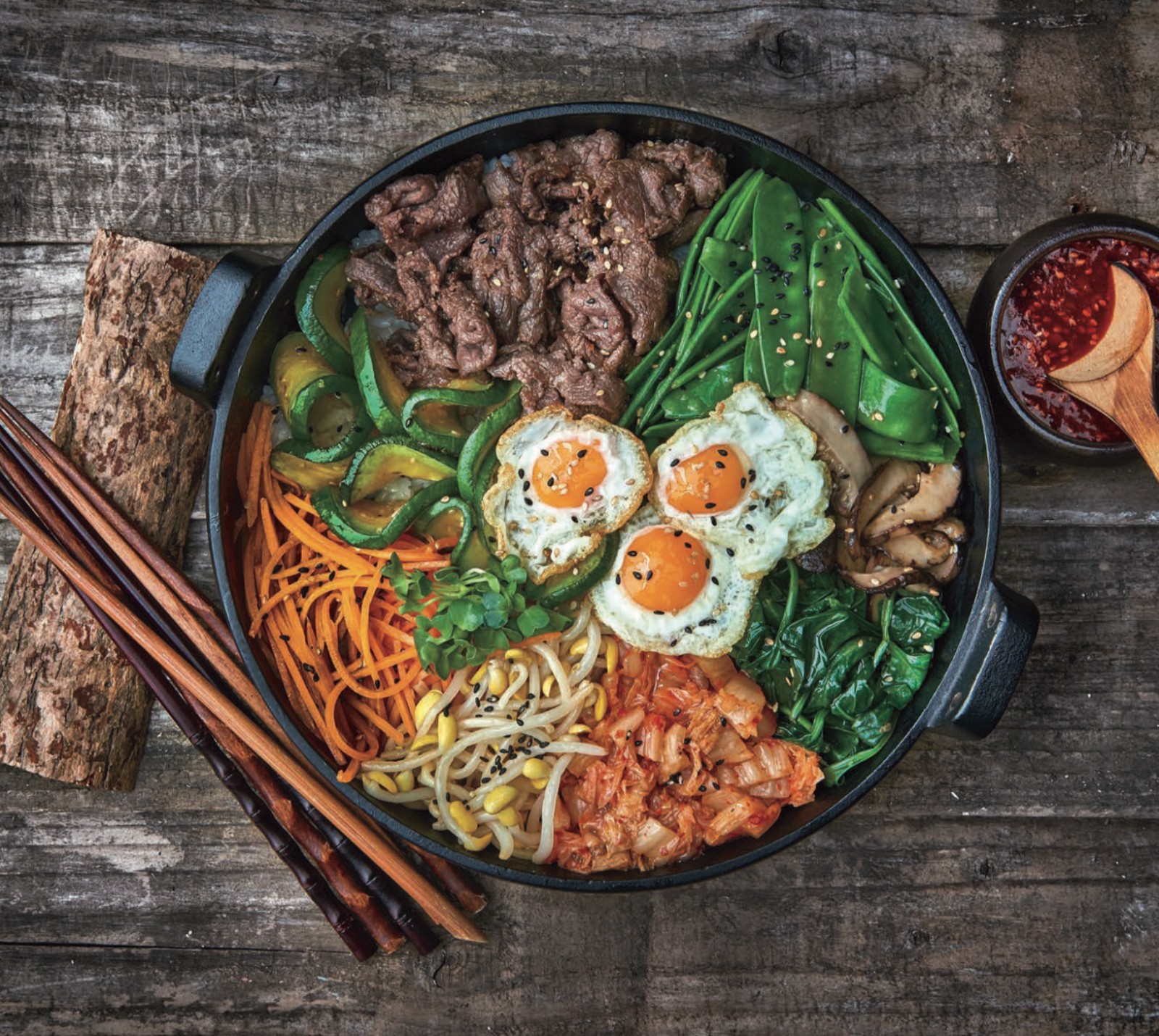
Food Spotlight: Bibimbap
The perfect food pairing for this novel is Bibimbap. Bibimbap mirrors the themes of The Last Story of Mina Lee through its mix of diverse ingredients coming together in one bowl. Just as each component—rice, vegetables, meat, and spicy sauce—retains its own flavor while contributing to a harmonious whole, the novel weaves together multiple timelines, cultures, and personal histories. The dish symbolizes Mina’s layered life and identity, as well as Margot’s journey to understand and reconcile the many pieces of her mother’s story.

The Last Story of Mina Lee by Nancy Jooyoun Kim
The Last Story of Mina Lee by Nancy Jooyoun Kim follows Margot Lee, who returns to her childhood home in Koreatown and finds her mother dead under mysterious circumstances. As she searches for answers, Margot uncovers Mina’s hidden past and realizes how little she truly knew her. This poignant novel explores identity, family, and the secrets that shape us.
Page To Plate
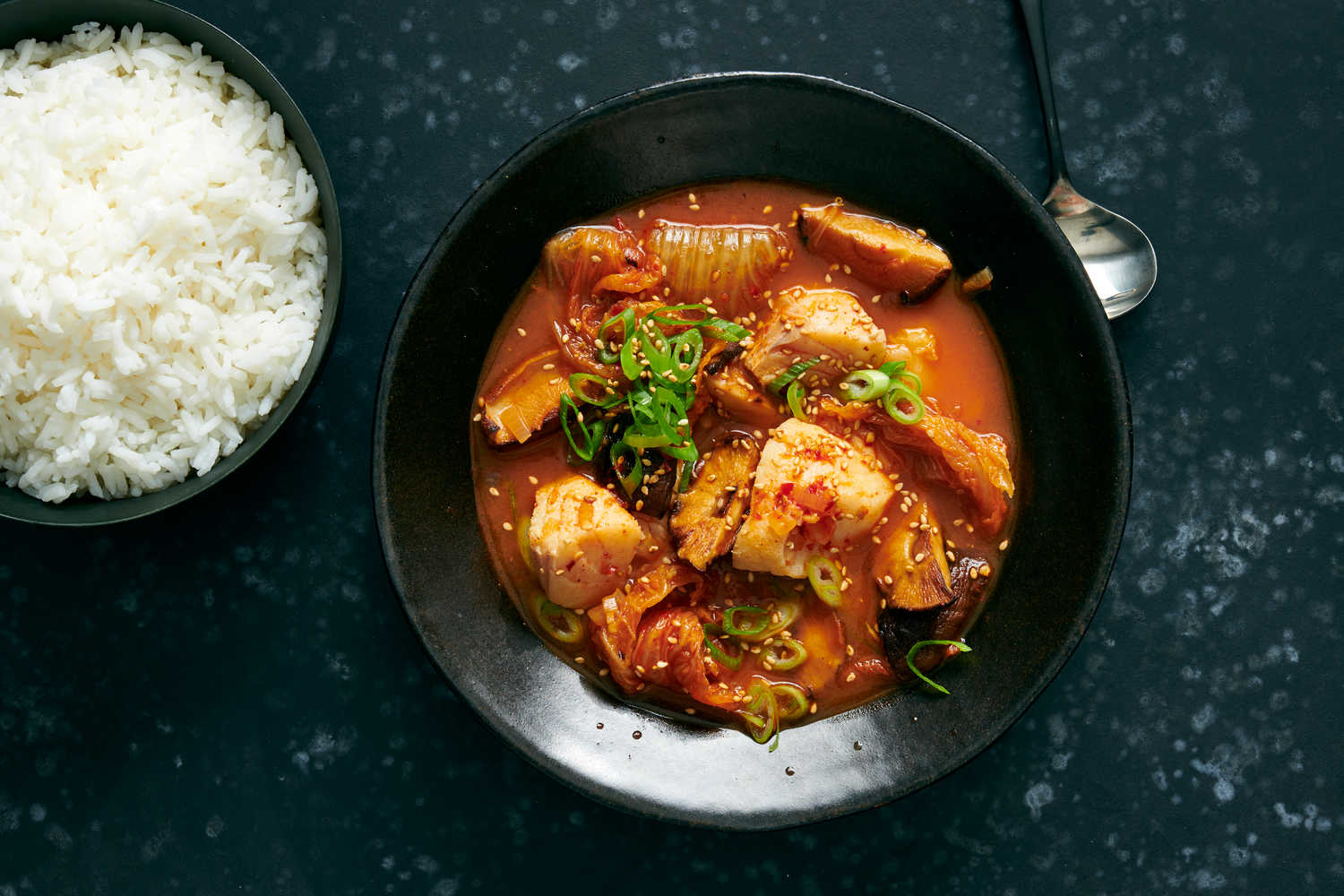
Food Featured In The Book
Rice and Kimchi Jjigae with tofu and mushrooms was the first home-cooked meal Mina shared in her new Los Angeles home, lovingly prepared by her neighbor.

Character Cravings
For the mother, a burger feels like the perfect food match—simple yet symbolic. In her new city, it represents the first small thrill of trying something unfamiliar, a gentle step toward rebuilding her life after the tragedy that drove her away from her hometown. It’s also tied to the moment she unexpectedly fell in love again, making the burger a reminder of new beginnings, healing, and the courage it takes to savor life after loss.

Book Club Bite
In the novel, Mina finds food left in her cubby as tokens of affection from a secret admirer. For a fun book club twist, members could bring the same items—like fruit, chocolate, ramen, and other small treats—as snacks. It’s a sweet and meaningful way to connect with the story and celebrate the quiet gestures of love and care that run throughout the book.
“She had loved her mother more than anyone but was also deeply ashamed of her—her poverty, her foreignness, her language, the lack of agency in her life. She did not know how to love anyone, including herself, without shame.”
Nancy Jooyoun Kim